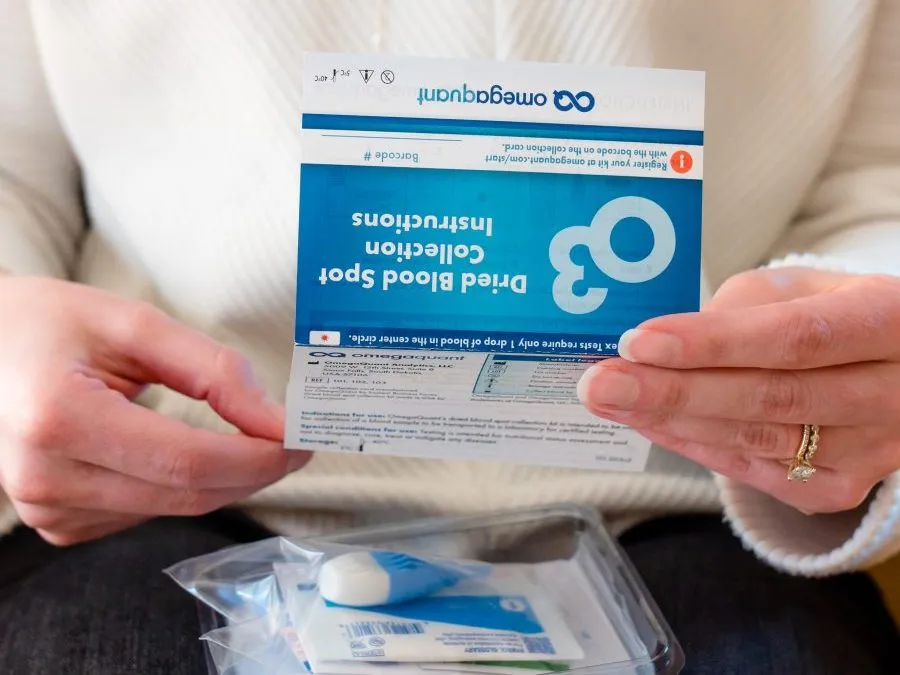
About the author: Judy Blatman is OmegaQuant’s consumer health writer. Her blogs tee-up practical suggestions for health, with an emphasis on omega-3s and omega-3 testing, so readers can decide their own path to good health. Prior to her work with OmegaQuant, she had an extensive public relations career, representing dog food, coffee and OTC anti-itch medication, luxury resorts, liquor, and more. Judy’s knowledge about dietary supplements developed during her 16 years spearheading communications for Council for Responsible Nutrition, where she led an award-winning healthy lifestyle consumer education initiative focused on diet, dietary supplements and exercise. Starting her own communications firm during COVID led her back to one of her original career aspirations—writing. She is fond of collecting handbags, playing with other people’s dogs, and binge-watching the latest comedies, dramas and thrillers. Learn more.
Key Points:
- Your Omega-3 Index changes gradually as EPA and DHA are incorporated into red blood cells.
- Ninety to 120 days is the ideal timeframe to retest and measure meaningful progress.
- How quickly your levels improve depends on factors like EPA/DHA intake, consistency, body composition, diet, genetics, and metabolism.
- Consistent EPA and DHA intake—from fatty fish and/or supplements—is key to improving and maintaining your Omega-3 Index.
Once you’ve taken your first Omega-3 Index test and gotten scores, if you’re like most people, there’s plenty of room for improvement. And if you’re at all a competitive person, you’re itching to see how long it will take for you to improve your score.
The answer depends on several factors which we’ll share in today’s blog. We’ll explain how your Omega-3 Index can change over time, what influences your results, what meaningful steps you should take before retesting and how often you should retest to measure your progress. Hint: Around 90-120 days.
VIDEO: Does Omega-3 Lower Cholesterol?
How Fast Does the Omega-3 Index Change?
The Omega-3 Index has two purposes. First, it is a risk factor for identifying heart disease, similar to cholesterol, and used by scientists worldwide in research studies. It is also a simple, at-home test that you can take to assess your personal omega-3 status. Today’s blog focuses on the latter purpose.
Specifically, the Omega-3 Index test measures your long-term EPA and DHA (the two main components of omega-3 fatty acids) levels. The optimal test results are an Omega-3 Index of >8-12%, associated with better heart, brain, eye and overall health outcomes.
Knowing your Omega-3 Index is the best way to determine whether you are consuming “the right amount” of omega-3 EPA and DHA. Retesting every 90-120 days is generally considered the guideline to follow to ensure you are either improving—or maintaining your desirable—omega-3 EPA and DHA levels as needed.
VIDEO: Omega-3 vs. Fish Oil: What’s Better?
What Happens During the First 30 Days?
Consider your first Omega-3 Index test as your baseline. Nearly 98% of Americans have an Omega-3 Index below the optimal target of 8%; 54% are below 4%, an undesirable level placing them at the highest risk for negative health outcomes, according to new, landmark research published earlier this year. Learn more here and here.
There’s no reason to feel bad if your Omega-3 Index test score is low. But there are reasons to make changes. And there are relatively simple steps to raise your Omega-3 Index score if needed. Just as most people can make health and lifestyle changes to improve their cholesterol levels, the same is true when it comes to changing your Omega-3 Index results.
While you may be tempted to immediately take another test if you’re not happy with your results, this isn’t like retaking a geometry test after an intensive week of studying. With your Omega-3 Index test, you likely won’t see dramatic changes to your score within the first 30 days, even you start taking omega-3 fish oil supplements right away. Omega-3s need time to build up gradually in your system. The first month is the beginning of that build up, when your body begins steady, consistent incorporation of EPA and DHA into newly formed red blood cells.
VIDEO: Omega-3s for Heart Health (Conflicting Studies on A-Fib)
What Can You Expect After 60 Days?
If you’re taking your omega-3 EPA and DHA supplements consistently on a daily basis (or, more regularly eating fatty fish, such as salmon, more than two times a week), you may start noticing some subtle changes. For example, your workouts may be a bit easier with faster muscle recovery and less muscle soreness; your skin may feel a bit more supple, more elastic.
And your Omega-3 Index should start to improve thanks to the changes you’ve been making. While you might be tempted to take another Omega-3 Index test after 60 days, we’d suggest waiting another 30. Why? Because similar to an HbA1c blood draw to test blood sugar, the Omega-3 Index reflects your window of omega-3 intake over a three to four month period, making it a stable marker of Omega-3 status.
VIDEO: How Much Omega-3 do You Need to Lower Triglycerides?
What Happens Around 90 Days?
You’ve reached the sweet spot for retesting. After three months, enough red blood cells have turned over, and you’ve given the changes you’ve made to improve your Omega-3 Index score enough time to take hold. In other words, most people should see a meaningful reflection of their current omega-3 status.
This timeframe will let you know if those changes—whether it’s adding a fish oil supplement, increasing the dose of the one you were already taking, eating more salmon, upping your physical activity, and/or improving your quality of sleep—are working. (Tip: getting more EPA and DHA is the first priority to raise your Omega-3 Index, but along with that, other healthy habits may also help.)
Testing your omega-3 status every three or four months not only gives you a clear picture of whether you have enough EPA and DHA in your body; it may also help you keep those good habits on track similar to weighing yourself regularly to maintain your weight goals.
VIDEO: Can You Take Omega-3 on Blood Thinners?
Why Doesn’t Everyone’s Omega-3 Index Increase at the Same Rate?
It’s a personalized test designed to give you your results. Here are seven reasons why your Omega-3 Index might be different than someone else’s:
- Your Baseline Omega-3 Index. Where you start matters. If your first test score is 4.3%, and your best friend’s is 6.2%, you have more room for improvement.
- Your Daily EPA/DHA Intake. Different doses for different people can make a difference in your score.
- Consistency. Omega-3 supplements work best when taken consistently over time, usually daily. Follow label instructions.
- Supplement Formulation. Triglyceride forms are thought to be better absorbed than ethyl ester forms when it comes to fish oil. Taking your fish oil supplement with another with food (especially with other healthy fats) also increases absorption.
- Dietary Habits. Eating fatty fish to get your EPA and DHA is not a license to eat fish and chips. Healthy diet, healthier you.
- Body Size and Composition. Understanding your body composition gives you a better picture of your health risks and can impact your Omega-3 Index as well. Healthy fats are important to your diet, but having too high a body fat percentage may create long term health issues.
- Genetics and Metabolism. Some people just seem to have naturally fast metabolisms, meaning they burn calories quicker. And, yes, genetics may be the reason. Genetics and metabolism may also be the difference between you and your gym buddy’s Omega-3 Index scores.
Can You Raise Your Omega-3 Index Faster?
Possibly, but remember a quick fix is not the goal here. First of all, you can’t trick your Omega-3 Index score by taking high dose fish oil supplements the week before your test. The Omega-3 Index has a longer memory, covering three to four months.
More importantly, for your health (as well as for your Omega-3 Index score), your best bet is consistent daily intake of your omega-3 fish oil supplement so your body can build up your omega-3 stores. Keeping those EPA and DHA stores level and steady leads to cell membrane fluidity, reduced inflammation, and less day-to-day stress on your heart.
Choose fish oil supplements with adequate EPA and DHA. Some experts suggest that is 250-500 mg combined EPA and DHA daily for healthy adults; although other experts, such as William S. Harris, PhD., co-inventor of the Omega-3 Index, suggest that amount may not be enough to access the full benefits of EPA and DHA or to raise your Omega-3 Index—although you won’t know until you test. Discuss your dose with your healthcare practitioner.
Consuming fatty fish, such as salmon, provides not only EPA and DHA, but other nutrients and health benefits, and is a good first choice for adding omega-3-rich foods to your diet. Supplements are not substitutes for healthy food, although they are a reasonable way to fill in the gaps that, in this case, can be uncovered through an Omega-3 Index test.
VIDEO: Does Fish Oil Help with Atrial Fibrillation?
Q & A
- How long does it take to raise your Omega-3 Index? It depends on the individual and numerous factors. Count on at least 90 days of changed habits designed to get more EPA and DHA into your red blood cells, then retest.
- How quickly does fish oil increase omega-3 levels? Depends on how much fish oil you’re consuming, and other individual factors such as body composition, genetics, physical activity, diet and more. Test don’t guess.
- Should I retest my Omega-3 Index after taking supplements? If those supplements contain EPA and DHA, then yes! Every 90-120 days for more meaningful results.
- Can my Omega-3 Index improve in one month? Practice patience. Testing in one month, unless directed by your doctor, is not a good use of your time and financial resources. Testing every 90-120 days is an ideal timeframe.
- Can eating more salmon improve my Omega-3 Index. Yes, that’s one of the best ways to raise your Omega-3 Index. It is also one of the healthiest foods to eat, for most people (unless you have a fish allergy).
- What is the ideal Omega-3 Index? An Omega-3 Index of >8-12% is desirable; >4-8% is acceptable (especially if you’re above 6%), leaving room for improvement; and below 4% puts you at the highest risk for negative health outcomes. Below 4% means it’s time to make changes. And test and retest every 90-120 so you’re always on top of your numbers.